



Nafplio, Nafplion, Anapli
The town of Nafplio, full of history
Nafplio is one of Greece’s most charming and historically rich towns, located in the Argolida, eastern Peloponnese. Its history stretches back thousands of years, and it has had various ocuppants , each of them leaving their own mark on the town. Nafplio was first inhabited in prehistoric times, and it played a significant role during the Mycenaean period. Later, it became an important port during the Classical and Roman periods, however its most prominent historical period came during the Middle Ages and the Renaissance, when it was ruled by the Byzantines, Franks, Venetians, and Ottomans in succession.
The town’s strategic location made it a valuable prize for these empires, and its architecture reflects this rich and mixed history. In the 19th century, Nafplio became the first capital of modern Greece after the country's independence from the Ottoman Empire. It remained the capital until 1834, when Athens took it's place. Today, Nafplio is a beautiful blend of its historical past and a vibrant present, making it a popular destination in Greece for visitors from all over the world.
Nafplio's Beaches
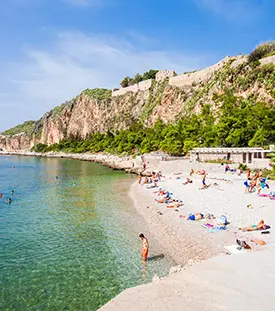
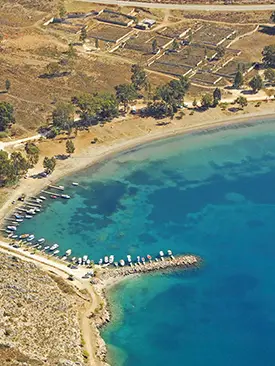
Nafplio is also home to Karathona Beach, a beautiful sandy beach located just a short distance from the town's center. It’s a perfect spot for swimming and enjoying the sun, with clear waters and a few beach cafes and tavernas to cater to your needs. Closer to town, you’ll find Arvanitia Beach, a small pebble beach with crystal-clear waters and stunning views of the Palamidi Fortress right above.
Nafplio’s beautiful beaches makes it an interesting destination that offers something for all tastes. Whether you’re wandering through its narrow streets, exploring its fortresses, or relaxing by the sea, Nafplio is a town that leaves a lasting impression!
Nafplio's Castles
Nafplio due to it's long history, continuous involvement in historic events, it's strategic place and last but not least the number of different occupants it had, it was heavily fortified with walls & fortresses. The Old Town of Nafplio used to be surrounded by a wall where the Land Gate served as the entrance. Take a look and visit all of Nafplio's castles from varrying eras and marvel at the beauty and architecture of these monumental constructions.
Palamidi
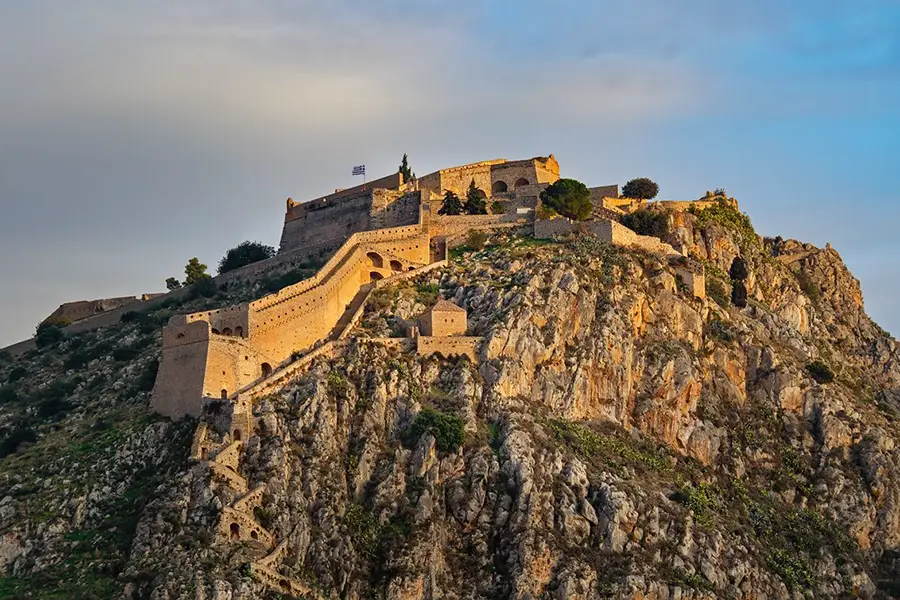
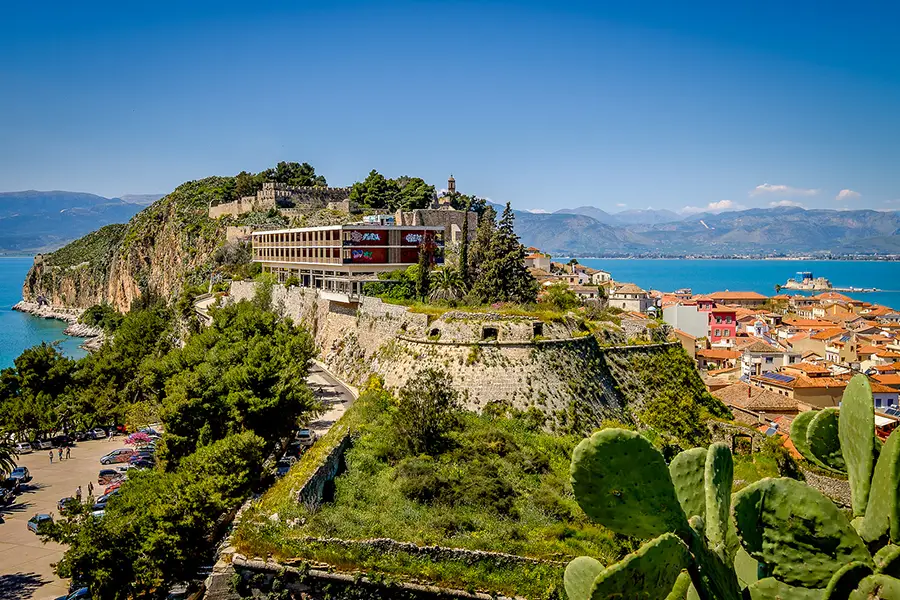
The Palamidi castle is one of Nafplio’s most iconic landmarks. Built by the Venetians in the early 18th century, it sits on a hill 216 meters above the town, offering breathtaking views of the surrounding area and the sea. The fortress is known for its impressive design, with eight bastions linked by walls, each named after a hero or a saint. To reach the fortress, visitors can climb the famous 999 steps (although the actual number is slightly less) or drive up by car. The climb is well worth the effort, as the fortress provides not only a glimpse into Nafplio’s past but also gorgeous panoramic views.
Bourtzi
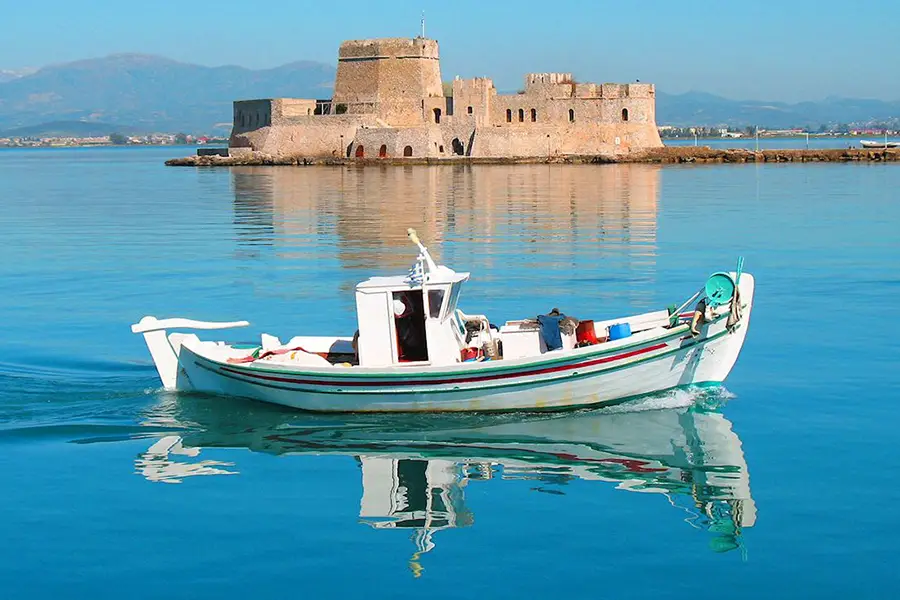
Bourtzi is a small fortress located built on a reef in the middle of Nafplio’s harbour. Also built by the Venetians in the 15th century to protect the town from pirates and sea invaders, Bourtzi is one of Nafplio’s most photographed sites in Greece. The fortress is accessible by a short boat ride from the harbour, and it offers a unique perspective of the Old Town. Over the years, Bourtzi has served various purposes, including a fortress, the residence for executioners, and even a hotel! Today, it stands as a symbol of Nafplio’s history.
Acronafplia
Acronafplia is the oldest part of Nafplio, with fortifications that date back to ancient times. This rocky peninsula was once the entire city of Nafplio, enclosed by walls that have seen centuries of history. The fortifications were added on by the Byzantines, Venetians, and Ottomans over the years, depending on the needs of eachj time. Today, visitors can explore the ruins of Acronafplia, stroll along its ancient walls, and enjoy the stunning views of the town and the Argolic Gulf.
Monuments in Nafplio
Nafplio is filled with interesting places to explore. The Syntagma Square is the heart of the town, surrounded by historic buildings, cafes, and shops. Here, you’ll find the Archaeological Museum, which houses artifacts from the Mycenaean era to the Roman period. Nafplio’s combination of rich history, stunning architecture, and beautiful beaches makes it a captivating destination that offers something for everyone. Wander through its narrow streets, explore its castles, or relax on the beach. Nafplio is a town that make memories last.
Nafplio Centre
Syntagma Square
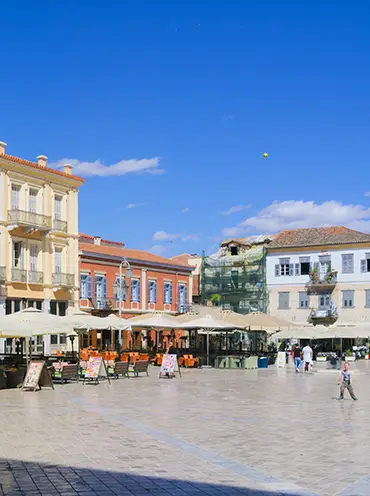
Syntagma Square is the vibrant centre of Nafplio, surrounded by historic buildings, cafes, restaurants, and museums. This central square has been a gathering place for centuries, hosting markets, events, and political gatherings. It’s a perfect spot to experience the lively atmosphere of the town while enjoying a coffee or a relaxing drink.
Nafplio's Theatre
Trianon Theatre
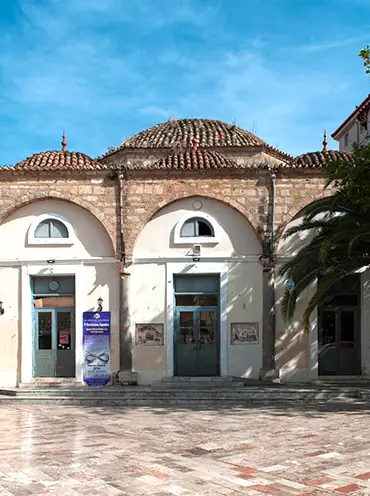
The Trianon Theatre, originally a mosque during the Ottoman era, is one of Nafplio’s oldest and most significant buildings. Located in Syntagma Square, it now serves as a cultural venue, hosting film screenings, and theatrical performances, a node to the ongoing cultural life of Nafplio.
Seaside Square
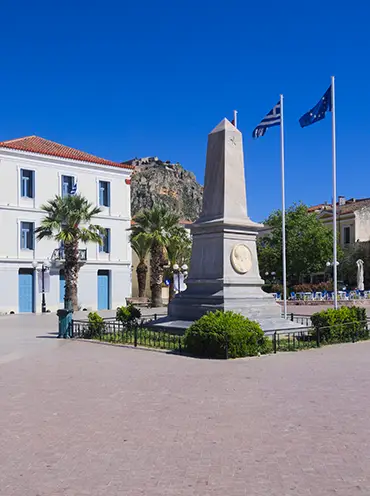
Filellinon Square
Filellinon Square is a charming spot in Nafplio, dedicated to the 'Philhellenes' (Friend of Greece) who supported Greece during its War of Independence. The square is home to the monument dedicated to the fallen soldier's mainly French, that died helping Greece during the Revolution.
The Five Brothers
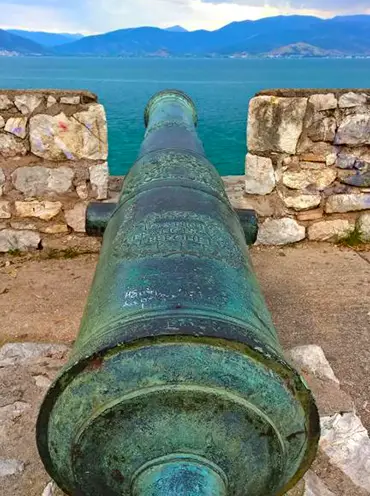
Venetian Cannons
The Five Brothers Cannons, or "Pente Adelfia," are historic cannons located on the Acronafplia fortress, looking over the sea. These cannons were part of the town’s fortification during the Venetian period and offer visitors a glimpse into Nafplio’s military past, along with stunning views of the harbour.
Kapodistrias' Murder
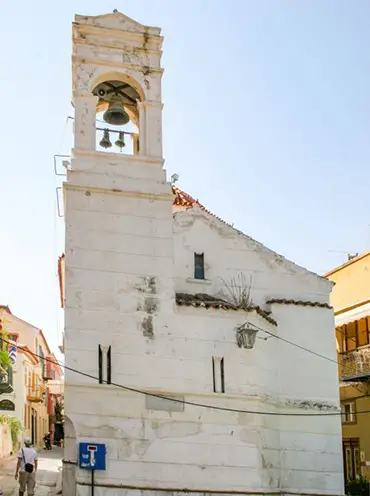
St. Spyridon Church
Saint Spyridon Church is a significant historical and religious site in Nafplio, best known as the place where Greece’s first governor, Ioannis Kapodistrias, was assassinated in 1831. The church’s modest exterior hides its importance, making it a interesting place to visit in Nafplion for those interested in Greece’s modern history.
Arvanitia to Nafplio
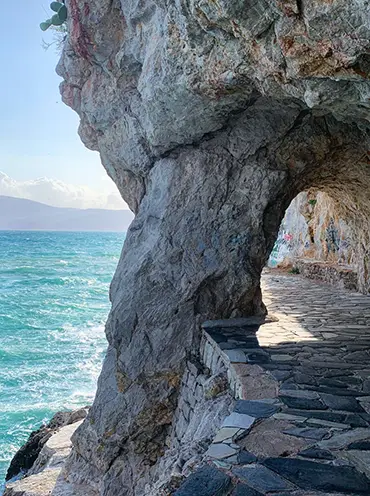
The Arvanitia Walk
The Walk of Arvanitia is a scenic coastal path that starts from the base of the Palamidi Fortress. This peaceful walk offers stunning views of the sea, and the cliffs. It’s a popular route for both locals and visitors, perfect for a relaxing stroll.
Entrance to Nafplio
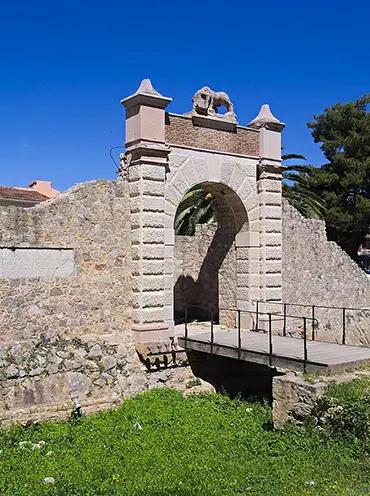
The Land Gate
The Land Gate is the only surviving entrance of the original Venetian fortifications that once encircled Nafplio. Built in the 17th century, this impressive gate was the town’s main entrance and has witnessed countless historical events.
National Hero
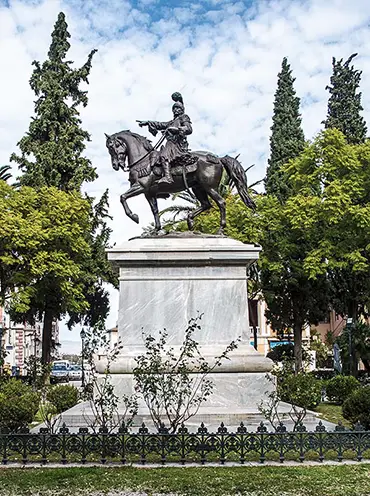
Kolokotronis Statue
The Statue of Kolokotronis, located in Kolokotronis Park, honors General Theodoros Kolokotronis, a hero of the Greek War of Independence. The statue depicts him on horseback, symbolizing his leadership in the fight against the Ottomans. It’s a revered monument, reflecting Nafplio’s deep connection to Greece’s struggle for freedom.
Lion of Bavaria
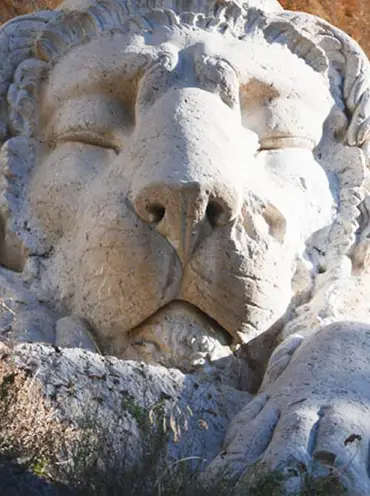
Bavarian Lion Monument
The Bavarian Lion Sculpture is a solemn monument carved into rock, located in Nafplio’s suburb of Pronia. Commissioned by King Ludwig I of Bavaria, it honors the Bavarian soldiers who died in Greece after its liberation. The majestic lion symbolizes strength and sacrifice, making it a poignant historical landmark.